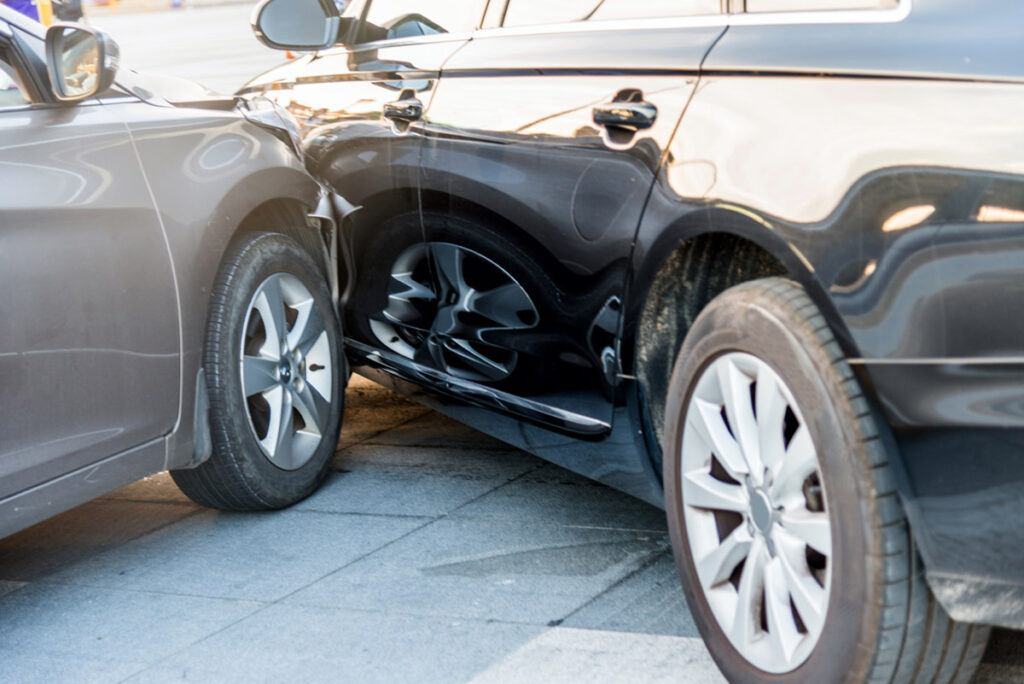
Whether it’s a parking lot fender-bender or a high-speed collision on the freeway, getting into a car accident is a jarring, disorienting experience. If the crash was someone else’s fault, the frustration can feel overwhelming. You have every right to pursue fair compensation for damages and injuries — but what if the driver who hit you isn’t even from Texas?
Out-of-state motorists introduce a whole new layer of complications to an already thorny situation. Different states have different laws. Insurance requirements vary. Getting in touch with the other driver after the fact can be slow and difficult, and the risk of a hit-and-run is very real. It’s a lot to process, especially when you’re already shaken up and trying to figure out your next move.
There’s some good news, though: an out-of-state driver doesn’t mean you’re out of options. Texas law offers meaningful protections for people in exactly your situation, and understanding those protections can make a real difference in how your case unfolds. Knowing what to expect, what steps to take at the scene and where the legal pitfalls are can make all the difference in helping you assert you— that’s what separates a strong claim from one that stalls out or falls apart. The more prepared you are, the better positioned you’ll be to protect your rights, document the accident properly, and ultimately recover what you’re owed.
What You Need To Know
- Texas traffic and personal injury laws apply to all car accidents in the state.
- The driver who caused the crash is financially responsible for damages.
- Insurance policies from other states can make filing a claim harder.
- You may have options even if the out-of-state driver is uninsured.
- Promptly report the accident and document everything to protect your rights.
How Texas Handles Car Accidents Involving Out-of-State Drivers
There are many legal issues surrounding car crashes, from traffic and insurance regulations to personal liability statutes. Since these laws vary from state to state, accidents including drivers from multiple states may seem like a legal nightmare. Fortunately, it’s more straightforward than you might expect.
What matters is where the wreck occurs, not where the drivers are from. If an accident happens in Texas, everyone involved is subject to the laws of the Lone Star State. In practical terms, here’s what that means for you.
Fault and Financial Liability
Vehicle repair or replacement. Medical bills. Lost earnings. Physical and emotional suffering. Auto accidents often take a devastating toll, so who pays the price for damages done? In Texas, the financial responsibility rests with the party most at fault.
More specifically, state laws follow a system of comparative negligence. That means you’re entitled to pursue damages as long as you’re determined to be less than 51% at fault for the accident. The compensation you’re awarded if successful is based on your exact degree of responsibility.
Insurance Claims and Coverage
Drivers in Texas are required to carry auto insurance meeting specific minimum coverage limits, including:
- $30,000 per person in bodily injury liability
- $60,000 per accident in bodily injury liability
- $25,000 per accident in property damage liability
These thresholds are among the highest in the country, so what happens if an out-of-state driver doesn’t have enough coverage? Once again, Texas rules and regulations take precedence. If a driver’s policy limits fall short, insurers are required to adjust coverage terms to meet the state’s minimum standards.
Why Out-of-State Insurance Policies Can Be a Hassle
So far, so good — right? Legally speaking, accidents involving out-of-state drivers are essentially the same as any other car crashes in Texas. In practice, however, you’re likely to encounter a few flies in the ointment.
While Texas law is intended to protect locals impacted by motorists passing through the state, insurance companies don’t make it easy. Their priority is minimizing payouts, and adjusters look for every available opportunity to delay, dispute and deny car accident claims.
The process gets even trickier when the driver and their insurer are based in another state. This can cause a litany of complications and roadblocks you may need to navigate, so be prepared for:
Slow Communication
Insurance companies aren’t exactly known for being prompt and responsive, but long distances and time zone differences can make communication even slower. Patience is key, but you can help speed things along by being persistent and keeping track of all calls and email exchanges.
Legal Red Tape
Insurers may be experts in their own local laws and legal practices, but they’re typically less familiar with working across state lines. Missed deadlines, paperwork errors and other procedural missteps aren’t uncommon, resulting in avoidable delays and mounting frustration.
Logistical Delays
Knowing who’s at fault in a wreck and being able to prove it are two very different things. That’s why accident claims need to be thoroughly investigated, from analyzing the crash site and interviewing witnesses to collecting police reports and arranging medical evaluations. All that work takes time, and traveling and coordinating across multiple states can make the process even slower.
What To Do if an Out-of-State Driver Is Uninsured
Dealing with insurance companies is irksome enough on its own. But an uninsured driver? That’s a whole different headache. Recovering damages gets even messier when that driver is from out of state — though you do have some options worth knowing about.
Collision Insurance Coverage
If you have collision coverage, your insurer can step in to help pay for repairs or a replacement vehicle. It doesn’t matter who caused the accident or whether the other driver has insurance — you’re covered either way. The catch is that collision only goes so far. Medical bills, lost wages, and other expenses are still on you.
Uninsured Motorist Coverage
Uninsured/underinsured motorist coverage (UM/UIM) isn’t required in Texas, but it comes standard on most policies for a reason. If the at-fault driver can’t cover your damages, this is what fills the gap. Think of it as a safety net for exactly this kind of situation. Expenses can pile up quickly, so it’s worth taking a close look at your policy limits to make sure you’re adequately protected.
Personal Injury Lawsuit
Sometimes, filing a lawsuit is the only real path to getting compensated — especially when the other driver has no insurance at all. Even insured drivers can push you to that point if their carrier refuses to settle fairly. The good news? State lines aren’t the obstacle they might seem.
Texas has what’s called the Long-Arm Statute, and it lets you sue an out-of-state driver right here at home. That means you don’t have to navigate an unfamiliar court system somewhere else. That gives you home-field advantage, making it easier and more convenient to gather evidence and present your case.
What Happens in a Hit-and-Run Accident?
Drivers from other states may feel emboldened to flee after an accident, hoping their non-resident status will make them harder to hunt down. Sadly, sometimes they’re right. Tracking vehicles across state lines is notoriously difficult, so it’s vital to call 911 quickly to avoid giving the driver a head start.
Everything else is up to the authorities, but you can make their job easier by providing whatever information you’re able to recall. Key details include:
- The time and location of the accident
- Signs of damage to the fleeing vehicle
- The vehicle’s make, model and color
- The driver’s appearance and approximate age
- Any license plate digits you remember
- The direction in which the vehicle fled
What To Do if You’ve Been in a Car Accident
Safety is always the top priority, so take a moment to assess yourself and your surroundings. Keep in mind that adrenaline can temporarily mask pain signals, so you may be injured without knowing it. If it’s safe to do so, check if anyone else in the crash is hurt.
Once you’re out of immediate danger, it’s time to get to work. Filing a successful insurance or personal injury claim requires clear, compelling proof of what happened and who was at fault, so it’s essential to begin collecting evidence right away. Here’s how to get started at the scene:
- Report the Accident: It’s always best to call 911 as soon as possible if you’ve been in a collision. Even if no one appears injured, local law enforcement can conduct interviews and investigations, take witness statements and document the accident scene. This is all compiled in an official police report, creating an independent record of the facts you may later need as evidence.
- Exchange Information: Swapping insurance and contact details is standard practice after any crash, but it’s absolutely critical with a non-resident driver. Start by snapping photos of their driver’s license and insurance card, and be sure to note their full name, address and phone number. In addition, note the make, model, year and color of their vehicle and record its VIN and plate number.
- Gather Evidence: The more proof you can provide to back up your version of events, the better your chances of getting a fair payout. Take photos and videos of injuries, vehicle damage, traffic signals, skid marks and anything else that might be relevant. Talk to potential witnesses and ask for their contact info.
- Get Medical Attention: Severe pain and visible injuries obviously require urgent care, but don’t assume you’re fine if you don’t have symptoms right away. Concussions, soft-tissue trauma and other internal injuries may not be immediately apparent, especially when your adrenaline is surging, so you should always get evaluated by a doctor within 72 hours. Not only is this a commonsense safety precaution, but it helps to establish a clear link between the collision and any injuries you might have.
Why Call a Personal Injury Lawyer?
You shouldn’t be stuck paying the price for someone else’s recklessness or negligence behind the wheel. Unfortunately, getting a fair settlement after an accident with a non-resident driver is an uphill battle. Cross-state insurance claims can get complicated fast, and insurance companies often fight tooth and nail to keep payouts low.
You need an advocate with the resources, connections and expertise to fight for you. That’s Haney Paschal & Romoser. Our team has decades of combined experience and a proven record of success here in East Texas. Contact us today to discuss your case and see how we can help you secure the compensation you deserve.