Multi-Vehicle Pileups on Texas Highways: Who’s Liable?
Multi-vehicle pileups are some of the most complicated situations for a car accident attorney to untangle.
That’s because in most situations, car wrecks involve two cars or, sometimes, only one, such as a car being driven into a tree or property. In those circumstances, it’s much easier to determine fault and for that car accident lawyer to simply negotiate with one or two insurance companies to ensure that fair payments are made.
However, when there are three or more vehicles, sometimes exceeding 100 cars, involved, determining fault and, more to the point, what percentage of fault each individual bears, can involve much more detailed, careful and complicated calculations as all of the evidence and interviews are analyzed.
What Causes Multi-Vehicle Pileups on Texas Highways?
There are several factors that have caused multi-vehicle pileups across the Lone Star State. Here are a few.
Chain-Reaction Rear-End Collisions
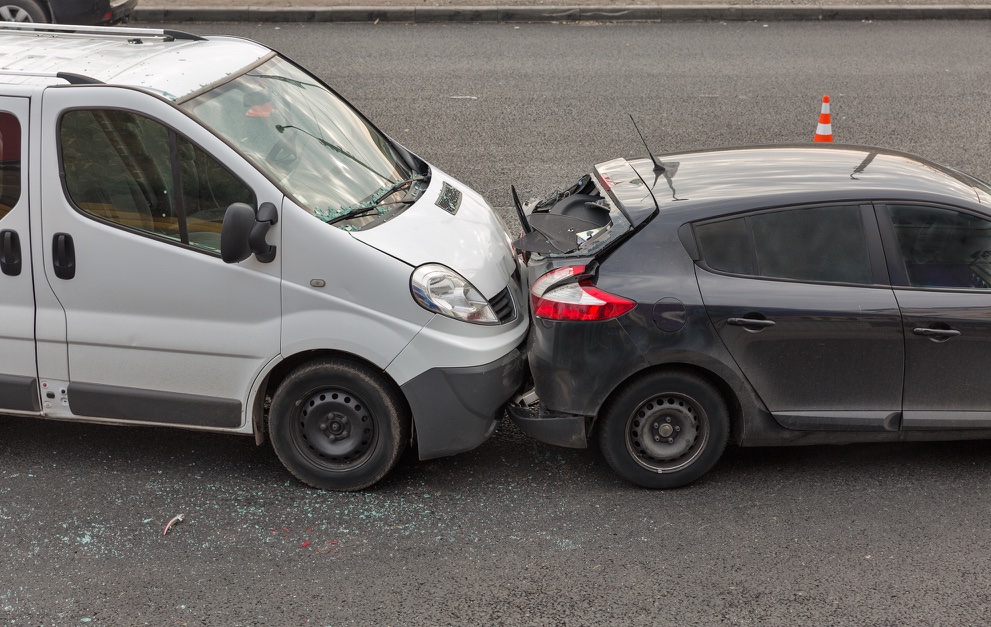
Rear-end collisions sometimes result in multiple vehicles being involved in an accident. One scenario occurs when a driver doesn’t stop fast enough when the vehicle in front of theirs slows down or stops and gets hit, and that results in the front car being pushed into a third driver’s car. And from there, it could be a dominoes-falling type of scenario, where multiple more vehicles end up being involved in the crash as well.
Speeding and Following Too Closely
Speeding and following too closely – i.e. tailgating – are strong risk factors of a multi-vehicle pileup.
When on the roads, make sure to follow the relevant speed limits, which can reach as high as 85 mph on portions of Texas State Highway 130 and be just 15 mph through some school zones.
As you drive at a safe speed, keep a safe distance between you and the car in front of you. But more important than that is remembering to increase that distance if the conditions are challenging, such as during a winter storm. At least three seconds of distance should be viewed as a minimum with that increasing to around six or, sometimes, more if the roads are icy, conditions are foggy or other factors are affecting road safety.
Poor Weather Conditions
Even when care’s taken, the weather conditions can still cause these types of accidents to occur, and snow, ice and fog are some of the biggest culprits with rainy conditions also playing roles in a number of these crashes.
That’s because all of those weather patterns can lead to significantly reduced driver visibility and lost tire traction, either of which drivers may not have accounted for or adjusted to. However, there are also instances in which proper care was taken by everyone involved and weather conditions still caused a multi-car accident.
Distracted or Impaired Driving
Even in the best of conditions, some drivers engage in distracted or impaired driving, resulting in a substantial decrease in their ability to pay attention to the road. In some cases, multi-car crashes result.
Distracted driving could involve a phone being used, or it can be related to eating, the application of makeup, turning around to speak with passengers and other factors.
Impaired driving refers to a vehicle’s operator not being able to drive to the best of their ability as a result of alcohol or drugs being in their system.
Keep in mind that even though the per se BAC limit for drivers 21 and over is 0.08%, an officer can still charge someone below that with a DWI if impairment’s believed to have occurred as a result of that alcohol. Meanwhile, there’s no specific number that’s referred to for drug use, so, when that’s involved in a pileup, it’s oftentimes up to the officer on scene determining if that impaired a driver’s faculties.
Construction Zones and Sudden Traffic Stops
When drivers are on the road, they can get into too much of a mental flow, and an unexpected construction zone or sudden traffic stop can be jarring to the degree that slowing down doesn’t occur fast enough and multiple cars end up involved in a crash.
Construction sites can also play roles in accidents through a reduced line of vision as a result of signs, equipment and dust and dangerous surfaces, which could involve gravel or potholes.
Why Multi-Vehicle Accidents Are Legally Complex
There are several reasons why multi-vehicle accidents are often legally complex and something that’s usually best left to car wreck lawyers to handle.
Multiple Drivers and Insurance Policies Involved
One of the biggest factors leading to legal complexity is that instead of one or two drivers and their insurance policies needing to be analyzed, there are now three or more, which can increase that complexity exponentially.
Conflicting Accounts of How the Crash Occurred
When so many are involved in a crash, it’s much more likely that conflicting accounts of how it happened will occur, which can play a significant role in the creation of an especially nuanced situation.
Difficulty Identifying the Causes of the Pileup
Whether one person’s 100% responsible for all of these cars crashing into each other or numerous drivers played a role in the accident getting as bad as it did, it can be difficult to determine the causes. Another factor to keep in mind is that an entity that’s not even on site may have played a role, such as if the local government should have made a road safer or a manufacturer sent out defective parts.
Severity of Injuries and Extensive Property Damage
The more severe the injuries that have been suffered by those involved in a multi-car pileup, the more time that goes into car crash attorneys ensuring that fair compensation’s received from at-fault parties.
Extensive property damage can also complicate the legal aspects of this process for car crash lawyers, especially since that property damage might not solely involve vehicles. Examples of other types include damaged guardrails, broken-down fences, buildings that had been crashed into and uprooted trees.
How Liability’s Determined in a Texas Multi-Vehicle Pileups
There are several ways how liability’s determined following a Texas pileup.
Role of Police Crash Reports
One of the most important things to do after a crash is ensure that the police have been contacted and are or will be on scene. In fact, this is legally required if anyone’s been injured or killed or if there’s property damage that adds up to more than $1,000. However, you should do this regardless of the legal requirements.
That’s because police crash reports provide official documentation that auto accident attorneys and insurance companies later use as a backbone of their efforts to recreate what happened and assign fault. They’re also important because the officer’s going to be providing an unbiased account of what occurred.
This report will usually include important details, such as a description of the scene, notes about weather and road conditions and descriptions of any injuries and property damage that had occurred.
Eyewitness Statements and Dashcam Footage
Another example of important third-party perspectives are eyewitness statements as those individuals are often more trusted than those who were involved in the crash. Also note that having witnesses make statements that agree with your recollection of the events can really strengthen your own credibility.
Dashcam footage as well as recordings from any nearby cameras that were operating at the time by homeowners or businesses can provide clear evidence of what occurred and where fault should be placed.
Vehicle Damage Patterns and Accident Reconstruction
Vehicle damage patterns, which refers to where damage occurred and the severity and nature of it, can play a significant role in determining liability.
Accident reconstruction in general is also pivotal to this process. Numerous details are analyzed as this is done, a process can involve photos, videos, statements and black boxes.
Traffic Laws and Driver Behavior Leading up to the Crash
What the relevant traffic laws were, if those laws were adhered to and driver behavior leading up to a crash are all important factors to be considered as liability’s determined. In the case of driver behavior, was that person driving in a careless manner prior to the crash, whether due to drugs, distractions, fatigue or otherwise?
Texas’ Modified Comparative Negligence Rule Explained
Texas’ modified comparative negligence rule results in proportionate responsibility being accounted for when compensation for the affected parties is being decided.
How Fault’s Divided Among Multiple Drivers
Once all of the information from the scene of the accident as well as prior to the incident has been analyzed and fault has been determined, that fault’s divided among multiple drivers. A simple example would be a driver being deemed to be 100% at fault while another would be one person at 55% at fault, another at 30% and a third at 15%.
What’s important to remember is that any compensation’s reduced by however much at fault for the crash someone is. So, an injured party who suffered $5,000 of damages but was 15% at fault for the accident is only eligible to receive $4,250.
The 51% Rule and How It Affects Compensation
Anyone who’s more than 50% responsible can’t receive any compensation. So, in that last example, the individual who was determined to have been 55% responsible for the crash won’t receive anything.
Example of Shared Liability in a Pileup Case
One example of shared liability involves three drivers operating their vehicles in heavy fog. The first one slows their speed appropriately. However, the second one does not, and the foggy conditions result in them rear-ending the first driver. Meanwhile, a third driver was driving at a reasonable speed but was tailgating and hit the second car.
In that case, it’s possible that the first driver would be held 0% responsible, the second driver 60% responsible and the third 40% responsible. But do keep in mind that the percentages all depend on numerous factors.
Who May Be Liable in a Multi-Vehicle Pileups
Here are some people and entities that could be held liable for a multi-vehicle pileup.
One or More Individual Drivers
One or more drivers doing acts such as speeding, changing lanes unsafely or driving while distracted or drunk could share or take all of the fault for the crash.
Commercial or Truck Drivers
Commercial or truck drivers could do the same although note that they have the potential to do the most damage as a result of the size of their vehicles.
Employers or Trucking Companies
Employers or trucking companies can be held responsible, such as if they did not implement legally required rest periods for their drivers and sleepiness was a factor in the crash.
Government Entities or Contractors
Poor road design or signage and ineffective construction zone management can contribute to an accident.
Vehicle or Parts Manufacturers
If the brakes, tires or safety system was defective, manufacturers could be held fully or partially responsible for the crash.
Evidence That Matters Most in Multi-Vehicle Pileups Cases
Here is some of the evidence that matters most in pileup cases:
- Photos and videos from the scene
- Dashcam and other camera footage
- Black box recorders
- Medical records that connect injuries with the crash
Insurance Challenges in Multi-Vehicle Accidents
Auto accident lawyers often have to be involved with various insurance challenges after these types of crashes.
Examples include multiple insurance adjusters having varying opinions, resulting in coverage disputes, low settlement offers related to what’s fair for the circumstances and delays that have been caused by related investigations.
What to Do After a Multi-Vehicle Pileups in Texas
If you find yourself in a multi-vehicle pileup, make sure to seek medical attention. Even if you feel fine, many injuries that result from a crash aren’t noticed until later, potentially as a result of shock.
In the moments after a crash, avoid admitting fault. Don’t do that with the police officer, others on scene, insurance companies or anyone else. As for insurance companies, do call yours soon after the crash, but be basic with the details and don’t provide a statement until you speak with a car crash lawyer.
Also document everything that you can, such as with videos and photos of the scene and through written or vocal recordings of your own recollections of what happened.
When to Contact a Texas Car Accident Lawyer
If serious injuries or fatalities occurred as a result of the crash, at least one commercial vehicle was involved or multiple people will be held liable for what happened, you should reach out to a Texas car accident lawyer. Doing so can protect your claim as that car wreck attorney seeks a fair settlement for you.
Pileup Accident are Legally and Financially Complex Cases
Pileup accidents are among the most legally and financially complex cases that auto accident attorneys work with as a result of all of the moving parts and different entities that are involved with the process.
Make sure to focus on protecting your health and rights should you be involved in one of these types of crashes and consult the services of a car wreck lawyer.